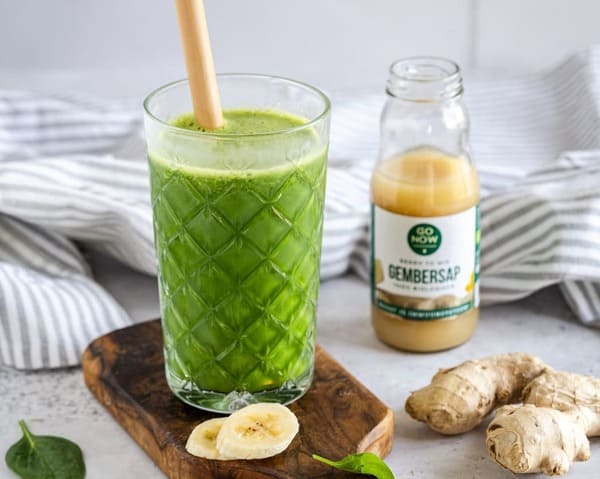
Organic ginger juice, in a B2B context, usually means one of two things: fresh-pressed NFC (not-from-concentrate) juice extracted directly from washed, EU-certified organic ginger root, or a cold-pressed variant made without heat treatment. Both are used as a base ingredient for wellness shots, kombucha, kefir, ginger beer, and fruit juice blends.
Before comparing suppliers, most procurement teams are really asking five things: how is it made, where does the ginger come from, what certification actually backs the "organic" claim, what packaging and volumes are available, and what will it cost. This guide answers each of those in order, using our own supply chain as the working example.
1. What is organic ginger juice (NFC), and how is it made?
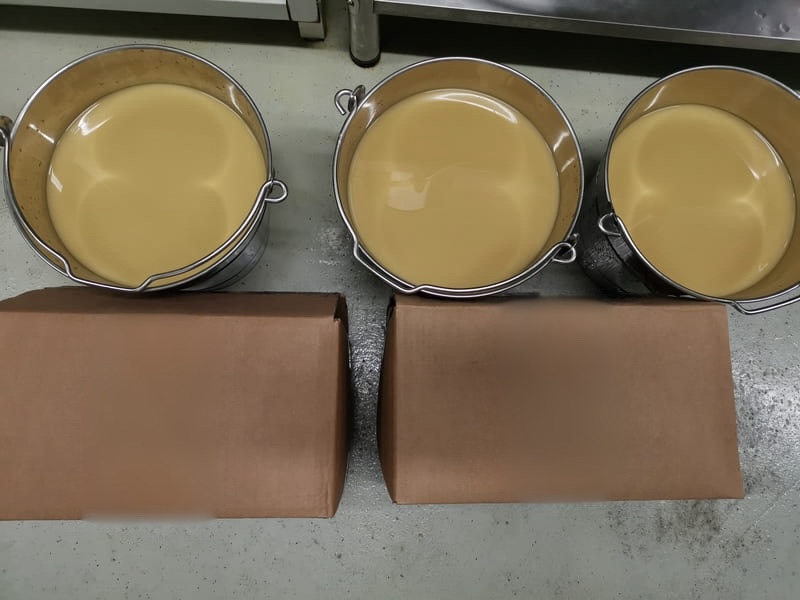
NFC stands for "not from concentrate." The juice is pressed directly from washed, graded organic ginger root, with nothing added and nothing removed: no water, no sugar, no preservatives. Because it isn't diluted or reconstituted, NFC retains more of the raw root's gingerol content, heat, and aroma than a reconstituted product, which matters for wellness shots and premium beverage formulations where flavour intensity is the selling point.
For buyers who want an even gentler process, a cold-pressed ginger juice is also available, made without heat treatment for applications positioned around raw, minimally processed claims.
2. Where does the ginger come from, and how far back can you trace it?
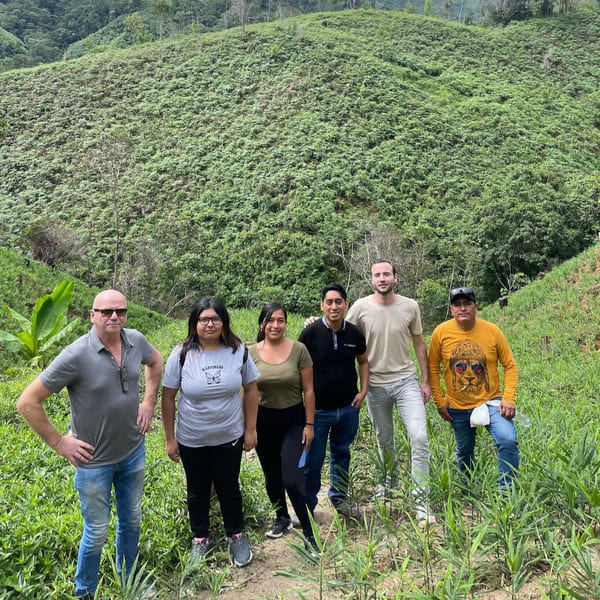
NOW Organic has sourced organic ginger from Peru and China since 2006, working directly with growers rather than through anonymous trading intermediaries. We've documented that relationship first-hand: read about our visit to our ginger suppliers in Peru during harvest season.
The ginger juice itself is pressed at our own facility in the Netherlands, so the chain from field to bottle (sourcing, washing, grading, pressing) stays under our control rather than being split across multiple third parties. That matters for buyers who need to answer traceability questions from their own customers or auditors, not just take a certificate at face value.
What to ask any supplier: do they own the processing step, or only the trading relationship? A shorter chain with fewer handoffs is easier to audit and less exposed to substitution risk.
3. Is it certified organic, and what does that certification actually cover?
NOW Organic products are certified EU Organic by SKAL Bio Controle, certificate number 027851. Specific products and facilities also carry BCS and BRC certification, covering food safety and traceability standards used across global wholesale. Full certification detail is available on our FAQ page.
A certificate confirms the ginger was grown without synthetic pesticides or fertilizers under audited conditions. It is not, by itself, proof of traceability to a specific farm or harvest batch. That's a separate question worth asking, and one we answer above.
4. NFC or cold-pressed: which format do you need?
The right format depends on your production setup and logistics, not just taste:
- NFC juice is ready to blend at full strength, with no dilution or reconstitution step needed at your facility.
- Cold-pressed juice suits brands positioning around raw, minimally processed claims, typically in smaller wellness-shot formats.
5. What packaging, MOQs and lead times can you expect?
Organic ginger juice ships in 3L, 5L, 10L and 20L bag-in-box, 200L drums, or 25MT tank-load for larger contracts, with year-round availability rather than a single seasonal harvest window.
Smaller bag-in-box formats generally suit foodservice and smaller beverage producers testing a new SKU; drums and tank-loads suit manufacturers running continuous production lines.
6. What determines price, and how do you get a quote?
Price is driven by format (cold-pressed carries a premium over NFC for the gentler process), order volume and incoterm, harvest seasonality, and the level of traceability documentation requested.
The fastest way to get a firm number is to request a quote directly through our organic ginger juice product page, where our team typically responds within 12 hours. If you're earlier in the evaluation process, our organic buyers guide walks through the full sourcing framework before you request pricing.
Frequently Asked Questions
Yes. NOW Organic products are certified EU Organic by SKAL Bio Controle, certificate number 027851. Specific facilities also hold BCS and BRC certification for food safety and traceability.
NOW Organic has sourced organic ginger from Peru and China since 2006. The juice itself is pressed at our own facility in the Netherlands, so the chain from field to bottle stays under our control.
Organic ginger juice ships in 3L, 5L, 10L and 20L bag-in-box, 200L drums, or 25MT tank-load for larger contracts, with year-round availability.
Yes, private label is available for qualifying order volumes. Contact us with your target format and volume to receive a tailored proposal.