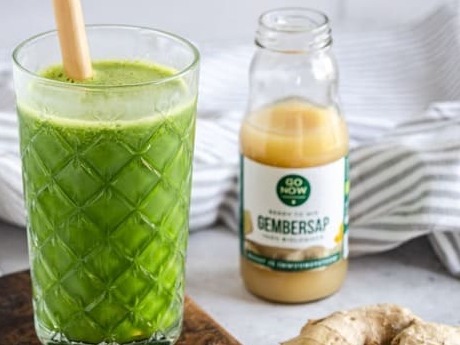
Functional drinks are the fastest-growing segment within the beverage market: products that serve a specific purpose beyond quenching thirst, from digestion and energy to focus and less sugar or alcohol. For buyers, brands, and foodservice wholesalers, this means "functional" has become a claim that has to hold up on the label, a recognisable, natural ingredient with demonstrable origin, not merely an addition on the packaging.
Ginger and turmeric are among the most-used functional ingredients in this segment, from ready-to-drink shots to mixers and soft drinks. This guide walks through what functional drinks are exactly, which ingredients dominate the range in 2026, and how to use ginger and turmeric juice as a functional ingredient in your own or private label drink concept.

1. What are functional drinks, and why is the segment growing so fast?
Functional drinks are beverages with an added property on top of taste and thirst-quenching: supporting digestion, focus, energy, less sugar, or less alcohol. The category includes kombucha, water kefir, adaptogenic mixers, energy shots, and functional soft drinks, and it is growing faster than the wider beverage market.
For foodservice and retail, this is visible on the shelf: where functional additions were a niche category a few years ago, a growing share of the soft-drink shelf is now reported to consist of drinks with a functional claim. For buyers, the question therefore shifts from "do you have an alcohol-free alternative" to "which functional ingredient is in it, and does the claim hold up on the label".
2. Which functional ingredients dominate the range in 2026?
Alongside fibre and live cultures for gut health, attention is shifting increasingly toward ingredients that act on alertness and stress resilience: adaptogens and nootropics for focus. Spiced roots such as ginger and turmeric remain a steady base, precisely because they naturally add bite and colour without the need for artificial flavourings.
What recurs regularly in functional drinks ranges:
- Fibre and live cultures for digestion
- Adaptogens and nootropics for focus and stress resilience
- Ginger and turmeric as a spiced, functional base
- Less sugar and less (or no) alcohol as a precondition, not the main claim
3. Why are ginger and turmeric suitable functional ingredients for a drinks range?
Ginger and turmeric have been used for centuries for their distinctive taste and colour, and count in the beverage industry as recognisable functional ingredients: a root the consumer knows, rather than an ingredient that first has to be explained. That makes them suitable as a base for shots, mixers, kombucha variants, and functional soft drinks, without a brand having to lean on a claim that requires explanation.
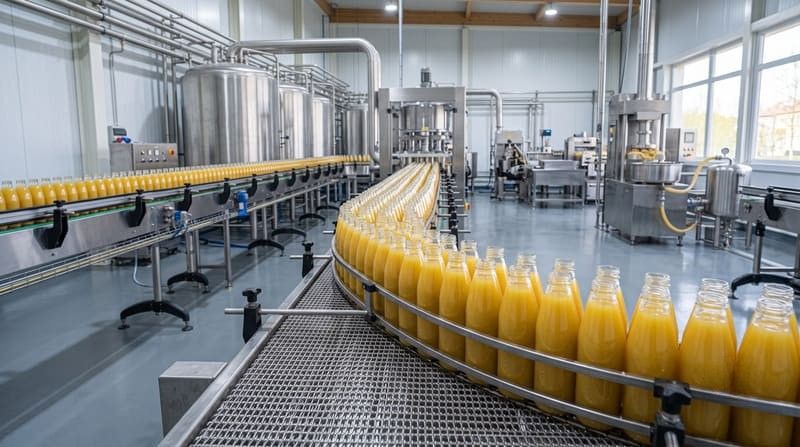
NOW Organic has been sourcing organic ginger and turmeric directly from growers in Peru since 2006, and presses and bottles the juice in its own factory in Aalsmeer. That in-house chain, from field to bottle, is relevant for brands that need to demonstrate traceability to their own customers or auditors, especially now that functional claims are increasingly scrutinised. Our ginger juice product page and turmeric juice product page give the current formats and specifications.
4. NFC juice, juice concentrate, or cold-pressed: which format fits your drink concept?
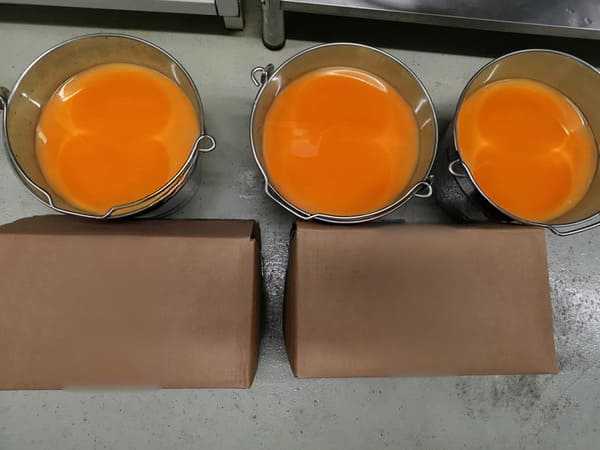
The format largely determines the taste, the shelf life, and the positioning on the label. NFC juice (not from concentrate) is directly pressed and not reduced, and for that reason is often positioned as a premium format. Juice concentrate is more compact in transport and storage and suitable for larger volumes at a lower cost per litre. Cold-pressed juice is used when a brand wants to carry minimal processing as part of the claim.
For brands working this out for the first time, our guides on sourcing organic ginger juice and sourcing organic turmeric juice go deeper into the differences between NFC, concentrate, and cold-pressed, including what this means for labelling.
5. How do you build a private label functional drink based on ginger or turmeric juice?
Private label gives control over recipe, packaging, and labelling, instead of buying a generic functional drink that any other brand can carry just as easily. A project starts with determining the desired format and the desired claim, followed by trial productions, specifications, and ultimately packaging under your own label.
More on what such a project looks like is set out in private label ginger juice: the full process.
6. What certification and traceability should you ask a functional ingredient supplier for?
A functional claim comes with a demonstrable origin. At minimum, ask for EU Organic certification, a valid certificate number, and traceability to the grower. NOW Organic products are EU Organic certified by SKAL Bio Controle, certificate number 027851, and traceable to the farmer in Peru thanks to the in-house chain from cultivation to bottling in Aalsmeer.
7. What determines the price, and how do you request a quote?
The price of ginger and turmeric juice as a functional ingredient is determined by format (NFC juice, concentrate, or cold-pressed), order volume, packaging, incoterm, and harvest-season influences.
The fastest way to get a quote for your functional drink concept is to contact us directly with your preferred format, application, and volume. Our team typically responds within 12 hours.
Frequently Asked Questions
Functional drinks are beverages with an added property beyond quenching thirst, such as supporting digestion, focus, energy, or less sugar and alcohol. The category includes kombucha, water kefir, adaptogenic mixers, functional shots, and soft drinks with botanical ingredients.
Alongside fibre and live cultures for gut health, adaptogens and nootropics are gaining ground, aimed at focus and stress resilience. Spiced roots such as ginger and turmeric remain a steady base thanks to their recognisable taste, colour, and natural origin.
Yes. Ginger and turmeric are used in shots, mixers, kombucha variants, and functional soft drinks as a spiced, natural base, without the need for artificial flavourings. They are recognisable ingredients that require no explanation on the label.
Yes, private label is possible from qualifying volumes, in NFC juice, juice concentrate, or cold-pressed format. Contact us with your preferred format, application, and volume for a tailored quote.
Yes. NOW Organic products are EU Organic certified by SKAL Bio Controle, certificate number 027851, and traceable to the farmer in Peru thanks to the in-house chain from cultivation to bottling in Aalsmeer.