Alcohol consumption in the Netherlands is falling structurally: from 10.1 litres of pure alcohol per capita in 2000 to 7.3 litres in 2024, a drop of almost 28 percent, with the sharpest decline in the last two years. For drinks buyers, organic distributors and hospitality wholesalers, this means an alcohol-free range is no longer a side note next to the main offering, but a fixed part of revenue that's actively managed.
What this calls for isn't one more 0.0% beer added to the existing range, but a line with real flavour complexity, a recognisable origin story and functional ingredients, such as organic ginger and turmeric juice as a base for mocktails and alcohol-free drinks. Below: the numbers behind the trend, what the sober curious buyer actually expects, and how to respond with a deliverable, certified ingredient.
1. How steep is the decline in alcohol consumption, and is it a dip or a lasting shift?
The figures point to a structural shift, not an incidental dip. Alongside the decline from 10.1 to 7.3 litres of pure alcohol per capita since 2000, sales of 0.0% beer in the Netherlands have more than quadrupled over the past ten years, and the alcohol-free and low-alcohol segment (under 1.2 percent) is growing by more than 15 percent a year. Dry January now draws more than a million participants in the Netherlands every year, an estimated eight percent of the population, with young adults aged 18 to 34 the most active group.
The sober curious movement has matured into a lasting habit of mindful moderation rather than a one-off January campaign. Consumers aren't necessarily giving up alcohol altogether: they're drinking more deliberately and expect a fully-fledged alcohol-free alternative year-round.
2. What does the sober curious buyer actually expect from an alcohol-free offering?
Not just the absence of alcohol, but a drink that matches the rest of the menu on taste, presentation and experience. Hospitality operators see this directly: where guests used to simply ask for "a 0.0%", they now want to know exactly which alcohol-free options are being poured. Guests also order an alcohol-free alternative more often when staff actively bring it to their attention rather than leaving it up to the guest.
For buyers, this means a single alcohol-free SKU is no longer a strategy. What's now expected is a range with real depth of flavour and an ingredient list that convinces both a guest and a discerning hospitality operator, rather than a sweet, anonymous alternative.
What you need in your range at a minimum:
- 0.0% lager and 0.0% specialty beer
- Radler and hard seltzer
- Functional mixers or shots based on natural ingredients such as ginger and turmeric, to differentiate beyond the generic 0.0% offering
3. What role do ginger and turmeric play in alcohol-free drink concepts?
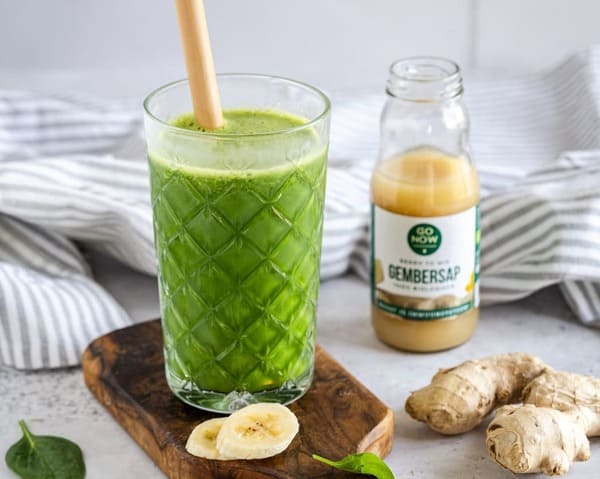
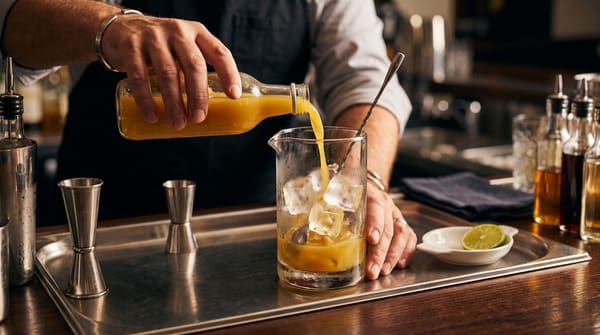
Ginger juice and turmeric juice are increasingly used in mocktails, functional sodas and alcohol-free shots as a spicy, functional base: they naturally add bite and depth without needing sugar water, alcohol or artificial flavourings. For brands and hospitality businesses wanting to stand out from the generic 0.0% beer shelf, that's a direct way to build a distinct, recognisable drink concept.
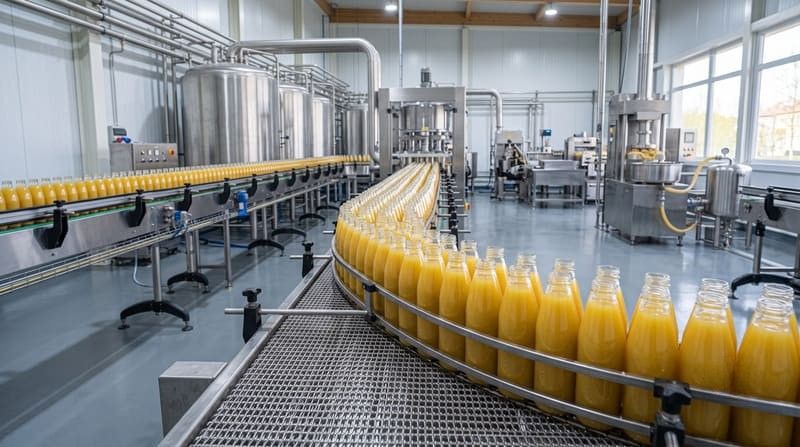
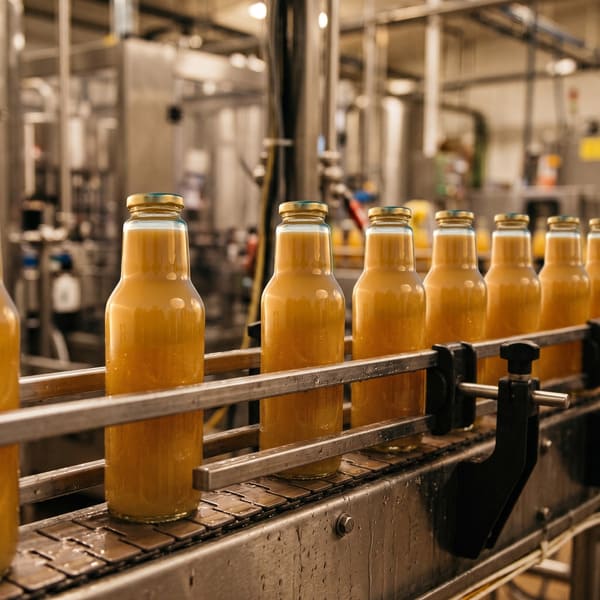
NOW Organic has sourced organic ginger and turmeric from Peru since 2006, working directly with growers, and presses and bottles the juice at our own factory in Aalsmeer. That chain under our own control, from field to bottle, matters for brands that need to demonstrate traceability to their own customers or auditors. Our ginger juice product page and turmeric juice product page give current formats and specifications.
4. How do you build a credible alcohol-free range as a distributor or hospitality wholesaler?
A baseline range of 0.0% lager, 0.0% specialty beer, radler and hard seltzer covers demand for direct alcohol substitutes, but it's now widely available and offers little differentiation. The next step is adding functional, botanical drinks that don't just sell "no alcohol", but have a flavour identity of their own, such as mixers, shots or sodas based on organic ginger or turmeric juice.
For brands who want to go further than sourcing a ready-made product, having private label ginger juice produced is a way to build your own alcohol-free drink concept with control over recipe, packaging and labelling, instead of carrying the same 0.0% shelf as everyone else.
5. What determines price, and how do you request a quote?
The price of ginger and turmeric juice as an ingredient is determined by format (NFC juice or cold-pressed), order volume, packaging, incoterm and harvest seasonality.
The fastest way to get a quote for your alcohol-free drink concept is to get in touch directly with your desired format, application and volume. Our team typically responds within 12 hours.
Frequently Asked Questions
Sober curious describes consumers who deliberately drink less or no alcohol without necessarily aiming for full abstinence. It's about drinking with intention: keeping the occasion and the taste of a drink without defaulting to alcohol. For drinks buyers, this means alcohol-free options need to be just as considered and flavourful as the alcoholic range.
Average alcohol consumption per capita fell from 10.1 litres of pure alcohol in 2000 to 7.3 litres in 2024, a decrease of almost 28 percent. The sharpest decline took place in the last two years, pointing to an acceleration of the trend rather than a temporary dip.
Yes. Ginger juice and turmeric juice are increasingly used in hospitality and drinks production as a functional, spicy base for mocktails, alcohol-free shots and mixed drinks, because they naturally add bite and depth without needing alcohol, sugar water or artificial flavourings.
Yes, private label is possible for qualifying order volumes, in NFC juice or cold-pressed format. Contact us with your desired format, application and volume for a tailored quote.
Yes. NOW Organic products are EU Organic certified by SKAL Bio Controle, certificate number 027851, and traceable to the farmer in Peru thanks to our own chain from cultivation to bottling in Aalsmeer.